
PFCC welcomes strong public support for improving daytime fire engine availability
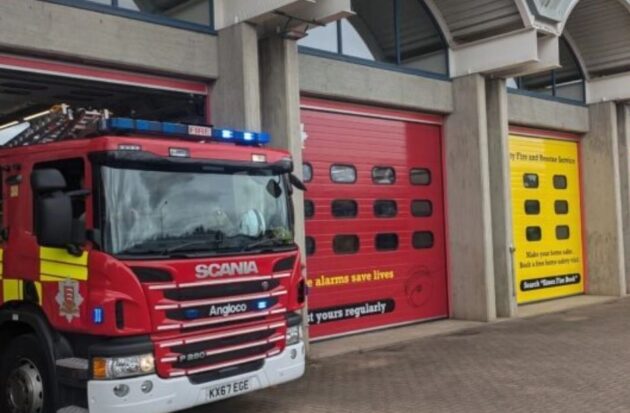
The Police, Fire and Crime Commissioner (PFCC) for Essex, Roger Hirst, has welcomed the outcome of a public consultation on proposals to improve daytime fire appliance availability across the county, which showed strong support from residents, partners and stakeholders.
The consultation by Essex County Fire and Rescue Service (ECFRS) focused on addressing lower fire engine availability during weekday daytime hours, when demand and risk can be highest. Following the consultation, a phased programme of changes will be taken forward to strengthen resilience, improve predictability and ensure Essex County Fire and Rescue Service can consistently meet its Community Risk Management Plan target of at least 40 fire engines available at all times.
The programme will be delivered gradually to ensure there is no reduction in frontline response, while making better use of existing resources, reducing reliance on overtime and investing in additional wholetime firefighters to secure long-term resilience.
Roger Hirst said: “The public response to this consultation was clear — people want to see a fire and rescue service that is consistently available during the busiest and highest risk times of the day.
“As demand grows and the type of incidents firefighters are confronted with evolve, the service is making sure the response by its crews continues to remain reliable in the future. Improving the level of availability also ensures that the service can manage a worst-case scenario where multiple incidents are happening at the same time.
“These changes will strengthen resilience across Essex, improve value for money and ensure our fire engines are available when they are needed most. Importantly, this will be delivered in a phased and carefully managed way, with continued engagement with our workforce and communities.”
The improvements support the PFCC’s Fire and Rescue Plan for Essex, with a strong focus on prevention, protecting vulnerable people and ensuring the service is equipped to meet current and future risks.
Implementation will begin from April 2026, with further changes rolled out in phases over the coming years as part of a long-term workforce and resilience plan.
Notes to Editors
What the consultation confirmed
Strong public mandate for change:
- 92% supported increasing daytime fire engine availability.
- 86% supported daytime wholetime crewing at the affected stations.
- Partners, councils and MPs were supportive and raised no concerns.
- Engagement with staff and representative bodies has been constructive and ongoing, with formal negotiations closing in March 2026.