
Interview: Commissioner challenges ‘super-force’ proposals on BBC Radio 5 Live
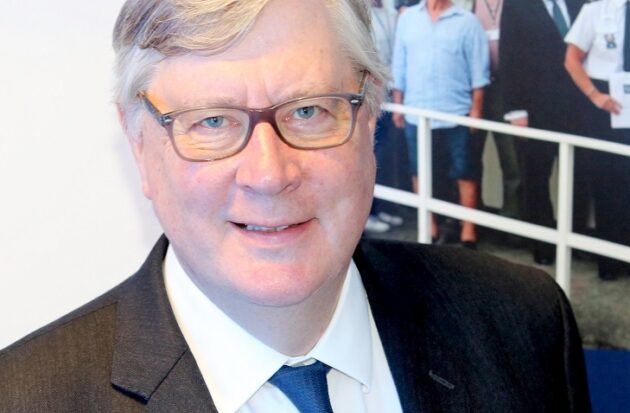
Essex Police should not be absorbed into a force built to mirror the Met, Roger Hirst has told BBC Radio 5 Live.
Speaking to presenter Stephen Nolan, the Police, Fire and Crime Commissioner for Essex challenged Metropolitan Police Commissioner Sir Mark Rowley’s call for larger regional police forces.
Listen to the interview by clicking here.
Sir Mark has proposed eight to ten regional forces in England and Wales, alongside hundreds of local policing commands and a new National Police Service.
Mr Hirst argued that Sir Mark was describing problems within the Metropolitan Police, which he said was too big to manage effectively.
“The bit he’s not proposing reforming is his own service,” he said.
Mr Hirst highlighted differences in crime levels across the London–Essex border, saying youth crime falls by two-thirds on crossing into Essex.
“Crime in London is 60% higher than it is in Essex. Crime in Westminster is six times higher than it is in Essex, pro rata for the population,” he said.
“I don’t want to see a force in the east of England built to mirror the Met.”
Challenged by Nolan on whether larger forces were needed to cut costs and duplication, Mr Hirst pointed to existing collaboration between forces.
He highlighted Kent and Essex Police’s work together on serious organised crime for more than a decade and their shared head of HR.
Mr Hirst also described joint procurement involving seven forces across the east of England and work by nine forces to procure a new case management system.
“The idea that we are doing things 43 different ways is just mistaken,” he said.
“The savings are being made already.”
Mr Hirst argued that Essex Police was large enough to deliver the policing its communities need while remaining flexible enough to innovate and respond to local problems.
He pointed to the work of Essex’s Violence and Vulnerability Unit to tackle knife crime, drug crime and violence affecting young people. He said knife-related hospital admissions had fallen by 50%.
He also highlighted Minerva, a tool that helps police identify locations with particular problems involving violence against women and girls and plan their response, during the day as well as at night.
“All of that comes out of having nimble, agile forces that are linked in to the local community,” he said.
Mr Hirst challenged the case for a large national programme prescribing the same approach everywhere.
“We just have no evidence, none at all, that that is a better way forward,” he said.
The interview builds on Mr Hirst’s campaign to retain Essex Police. He has warned that a regional merger could weaken local knowledge, accountability and public trust, and disrupt progress in getting crime down.
More than 1,700 people responded to the Commissioner’s summer survey on police reform. Of those, 69% opposed merging forces into larger regional organisations and 85% agreed that policing should remain locally led.
Mr Hirst has submitted the findings to Lord Bernard Hogan-Howe’s independent review of police force structures, which has yet to publish its recommendations.