
PFCC £20k funding boost helps engage people struggling with addiction
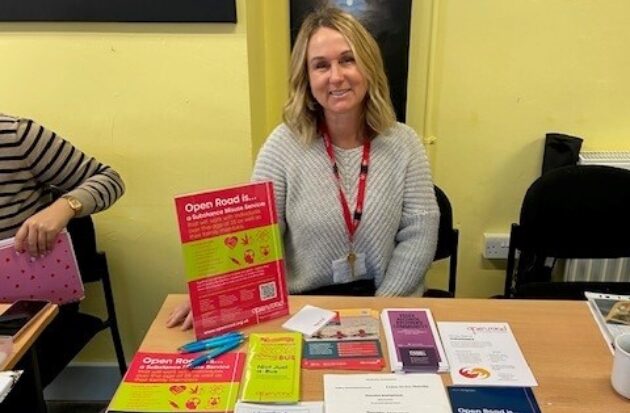
An engagement worker is pounding the streets of Clacton to ensure people struggling with substance misuse – and associated problems - get the help they need
Open Road is a drug and alcohol support service, with a mission to empower people in Essex to lead healthy lives free from addiction and offending behaviour.
The Police, Fire and Crime Commissioner for Essex (PFCC) has contributed £20,000 to Open Road in the form of a crime and disorder reduction grant from the 2026 Community Safety Development Fund to fund an engagement worker for Clacton for another year.
PFCC Roger Hirst MBE said: Roger Hirst, Police, Fire and Crime Commissioner for Essex, said: “Those trapped in a vicious cycle of addiction need help to make the right life choices that will allow them to build a positive future. There is always a route to access specialist support to break an addiction. Open Road and other similar support services in Essex do an invaluable job working with vulnerable people to turn their lives around.
“The truth is that people in crisis can often find themselves homeless and resorting to crime to fund their already tragic circumstances. Both the individual and their community are negatively impacted as a result.
“That is why it was important to provide funding for an Open Road engagement worker in Clacton. More needs to be done to seek out those who need pulling back from the brink. This kind of work is vital if we are to make a real difference to those who are battling addiction.
Leah Slator, fundraising manager, said: “When someone comes to us seeking support, they are allocated a recovery worker and attend one-to-one sessions to work on their journeys. What we have realised is that we need to have more joined-up working with external agencies.
"When someone is experiencing substance misuse, they are usually also having housing issues, family issues, employment issues, or problems with their mental or physical health. You cannot just deal with the substance misuse on its own.
“Our recovery workers are fantastic at what they do, but they can’t do everything. Some case workers have 40 cases on their books, so they simply do not have the time to be out in the community, networking and building that reputation.
“So, we now have engagement workers in our main hubs.”
In Clacton, Bonnie Jarmain has been appointed as engagement worker and has been building relationships with residents and other agencies – such as the police - within the seaside town.
Leah said: “Tendring is one of the most deprived areas in the country. There is so much deprivation, suicide rates are high, life expectancy is low – there are so many negatives in that area. They need people like Bonnie to bring that positivity, connecting people and saying ‘there’s more to life than this’.
“Bonnie’s role as engagement worker is to bring the community together to work in partnership. She is engaging with our clients and the wider community, hosting groups and speaking to the homeless community. She is physically engaging with other agencies and being a pillar of the community, walking down the streets and speaking to people. It is all about how can we, and other agencies, help people better.
“We want people breaking free from addiction and having someone to speak up for them. Bonnie is building that trust and those connections, showing there is someone out there that is going to support them.
“It is going from strength to strength.”
Of the funding, Leah said: “In Clacton, this role would not exist without this funding. I am continuously researching funding to be able to continue the role. The results speak for themselves; the role is needed and we must continue with it.
“We have got such a good relationship with the PFCC. They have supported us numerous times. They really engage with the work we do and know that our values are aligned. We really appreciate the continued support. It is reassuring we are doing good.
“I dread to think of the amount of people who would not be living fulfilling lives and would be struggling with their addiction alone without this support.”